Trying to decide between a brand‑new home and a resale in Estero? You’re not alone. With master‑planned communities still growing and established neighborhoods offering mature surroundings, it can be hard to compare apples to apples. In this guide, you’ll learn how timelines, warranties, HOA and CDD costs, lot premiums, and negotiations play out in Estero so you can plan your move with confidence. Let’s dive in.
Estero options at a glance
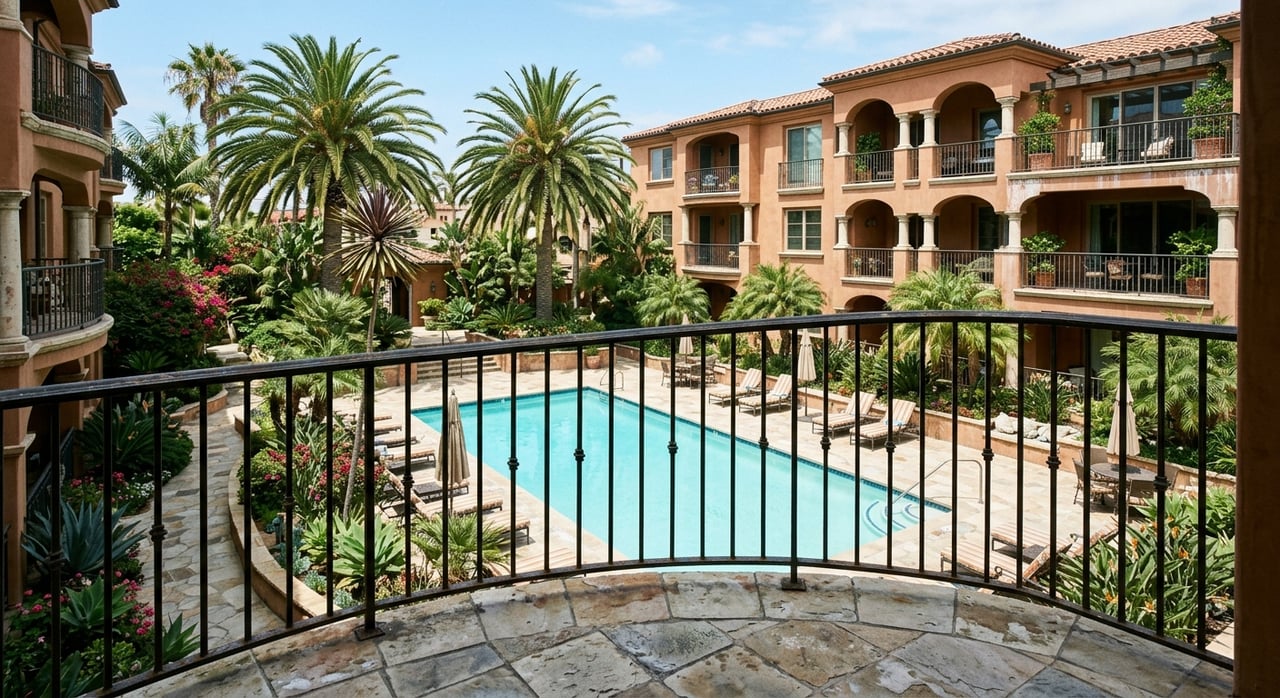
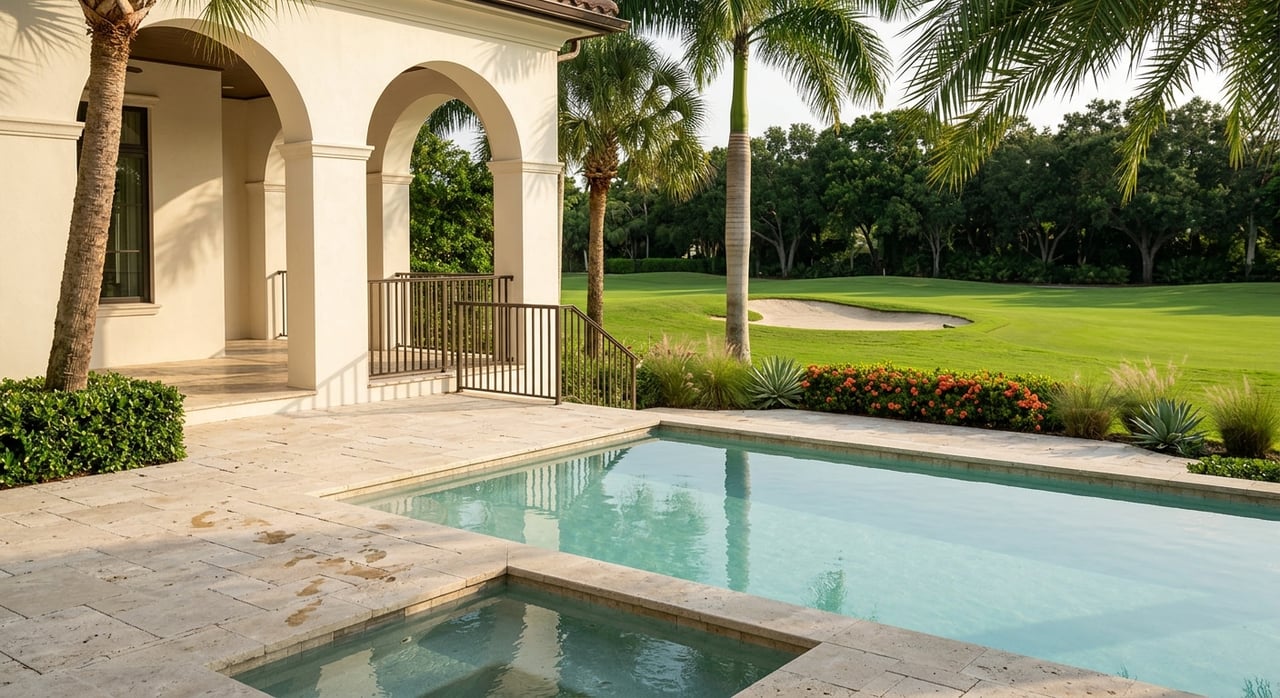
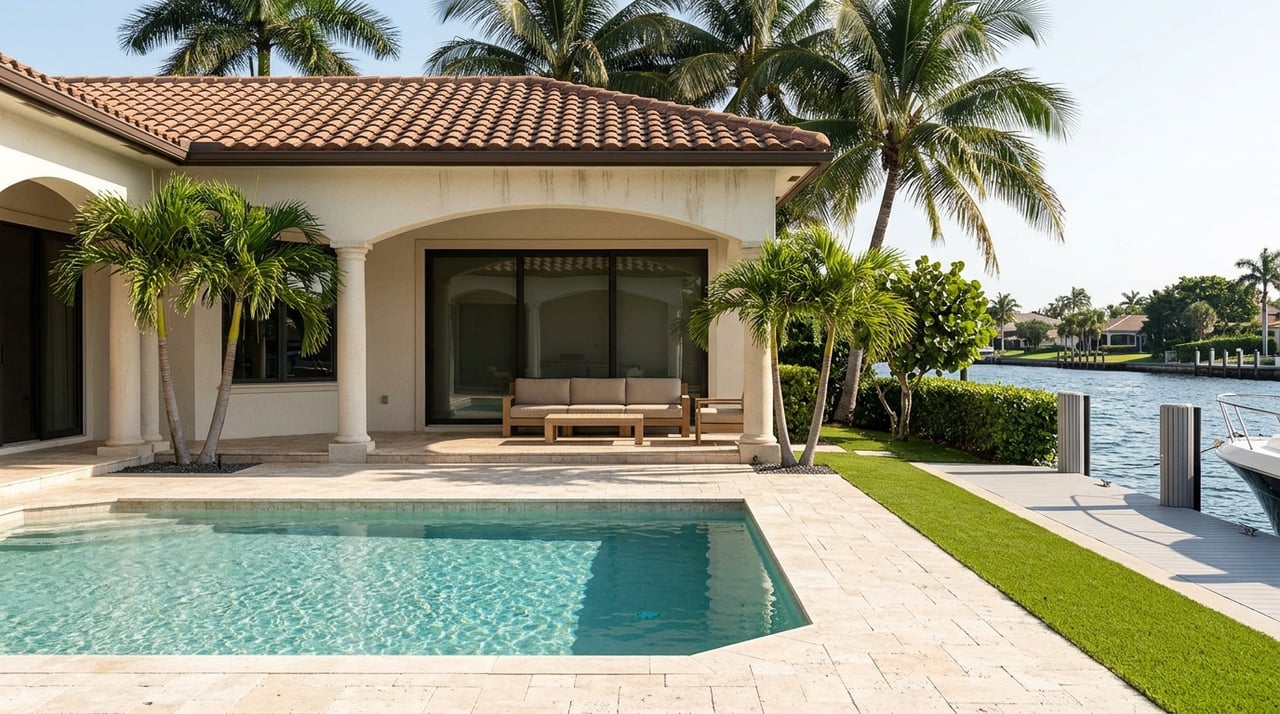
Estero offers two broad paths. You’ll find amenity‑rich, master‑planned communities with gated entries, resort‑style features, and, in some cases, separate CDD assessments that fund community infrastructure. You’ll also see resale homes in established neighborhoods with mature landscaping and a more settled feel.
Location matters here. Estero sits in coastal Southwest Florida, and flood zones vary by neighborhood. Before you commit, check the property’s flood zone through the FEMA Flood Map Service Center and confirm how flood insurance might affect your budget and lending.
Timeline: how fast you can move
New construction timing
New construction can range from a few months to more than a year. Spec homes often finish in 3 to 9 months, while build‑to‑order homes commonly take 6 to 12 months or longer depending on weather, permits, materials, and labor. The National Association of Home Builders notes that delays can occur at multiple stages, so ask the builder for a written timeline, change‑order policy, and what happens if schedules slip.
Key milestones usually include lot selection and contract, design selections, permitting, vertical construction, inspections, certificate of occupancy, and a final walk‑through with punch‑list items. Some punch‑list items may be addressed after closing, so confirm how warranty requests are handled and within what time frames.
Resale timing
Most resale transactions close in 30 to 60 days after an accepted offer, depending on financing and paperwork. You’ll have an inspection period, often 7 to 14 days, to complete due diligence and negotiate repairs or credits. Title work and HOA or CDD estoppel certificates can also affect the schedule, so start those early.
In Estero, confirm the permitting jurisdiction for any past or pending work. Some addresses fall under the Town of Estero while others are under county authority. Knowing whether you are dealing with the Town or Lee County permitting helps you track inspection schedules and turnaround times.
Warranties, inspections, and peace of mind
New‑home warranty basics
Many builders provide a tiered warranty structure that commonly includes a 1‑year limited warranty for workmanship and materials, 2‑year coverage for systems like electrical, plumbing, and HVAC, and up to a 10‑year structural warranty for major defects. Coverage terms and claims procedures vary by builder and any third‑party warranty provider. Review the actual warranty documents before you sign.
Even with warranties, order independent inspections at key stages, such as pre‑drywall and pre‑final. These inspections help document issues while the builder is responsible, and they reduce the chance of disputes after you move in.
Resale protections
With resale homes, a full home inspection is standard. Inspection results drive repair requests, credits, or price adjustments. After closing, resale buyers generally rely on any seller‑provided home warranty or their own budget for maintenance and upgrades, so factor that into your plans.
HOA, CDD, and taxes: what to budget
Homeowners association fees cover common areas, amenities, landscaping, security, and reserves. Fees vary widely based on amenities and management costs. The Community Associations Institute (CAI) recommends reviewing community budgets, reserve studies, rules, and recent meeting minutes to understand how fees are set and whether special assessments have been used.
Some Estero master‑planned communities also use Community Development Districts. Under Florida Statutes Chapter 190, a CDD can issue bonds to fund infrastructure and then levy assessments on properties in the district to repay that debt. These assessments often appear on your annual property tax bill and can add several hundred to several thousand dollars per year depending on lot type and outstanding bond obligations.
Before you commit, review the most recent property tax bill through the Lee County Property Appraiser. Look for any CDD line items and ask for a CDD disclosure and repayment schedule. For HOA communities, request the full HOA disclosure packet, most recent budget and reserve study, CC&Rs, rules, and a history of special assessments. Your lender or title company will likely require estoppel letters that confirm dues and whether the seller is current.
Lot premiums, upgrades, and appraisals
A lot premium is an extra charge for location or features like water or golf views, preserve exposure, corner or cul‑de‑sac placement, or lot size and orientation. In high‑demand areas, premiums can be significant, and they may not always appraise at the same dollar‑for‑dollar value as the builder charges.
Upgrades, such as kitchen packages, paver drives, screened lanais, and pool or spa add‑ons, can also raise the price quickly. Lenders base loans on appraised value, not the contract price. If the appraisal comes in low, you may need to negotiate concessions, adjust upgrades, or bring extra cash to close. Ask the builder for recent comparable sales for similar lot types and finish levels, and plan for potential appraisal gaps when selecting options.
How negotiations differ
Builders often work from set price lists. While base prices can be firm, you can frequently negotiate on incentives rather than the number on the contract. Examples include closing cost credits, interest rate buydowns, appliances, landscaping, or a reduced lot premium on specific inventory. Timing matters too. End‑of‑quarter closings, model home dispositions, or slow‑moving inventory can create opportunities.
Inspection leverage with new builds is typically about getting items fixed, not pushing the price down. Builders usually address punch‑list items under warranty rather than discounting. Be sure to get any promised incentives and completion items in writing.
Resale sellers can be more flexible on price depending on days on market, comparable inventory, and urgency. Inspections are your main leverage, and you can request repairs, credits, or price adjustments. Financing and appraisal contingencies also provide protection and negotiating room, especially if the home needs updates.
Decision framework: which path fits you
- If you want customization and lower short‑term maintenance, new construction is a strong fit. You can choose finishes and enjoy new systems covered by warranties, with the tradeoff of a longer timeline and possibly higher HOA or CDD costs.
- If you need to move soon, resale or a builder’s finished spec home can work. Resales typically close in 30 to 60 days, and you can focus due diligence on inspections and community documents.
- If you prefer predictable costs and a mature neighborhood, resale communities may offer established reserves and fee histories. Always verify budgets, reserve studies, and recent assessments.
- If you value top amenities and new infrastructure, a master‑planned community could be ideal. Just factor in HOA levels and any CDD assessments that appear on the tax bill.
A simple Estero due‑diligence checklist
- Confirm flood zone and insurance needs using the FEMA Flood Map Service Center.
- Pull the latest property tax bill and look for CDD line items via the Lee County Property Appraiser.
- Request the full HOA packet: budget, reserve study, meeting minutes, CC&Rs, rules, and any special assessment history.
- If a CDD applies, request a disclosure with the bond repayment schedule and annual assessment amounts.
- Verify permit jurisdiction and status for any recent work with the Town of Estero or Lee County permitting.
- For new builds, get the builder’s warranty documents, a written build timeline with milestones, a clear change‑order policy, and the punch‑list process in writing.
- Ask for recent comparable sales for the same lot type to evaluate lot premiums and upgrades.
- Order independent inspections for new construction at key stages, and a full inspection for resales. Get contractor estimates for major items.
- Start HOA and CDD estoppels early to avoid closing delays. Confirm your lender’s rules on builder incentives and seller concessions.
What this means for your Estero move
Choosing between new and resale in Estero comes down to your timeline, appetite for customization, and comfort with ongoing costs. New communities can deliver fresh construction and robust amenities, often with warranties and modern systems. Resale homes offer faster occupancy and mature surroundings, with a clear track record of fees and maintenance.
Use the framework above to narrow your path, then anchor your decision in documents, inspections, and recent sales. When you are ready to compare specific properties and communities side by side, reach out to a local expert who can help you line up the facts and keep your transaction moving.
If you want a clear, step‑by‑step plan for your move in Estero, connect with Chadwick Knight. Request your free home valuation or market consultation, and let’s map the smartest route to your next home.
FAQs
How long does new construction take in Estero?
- Spec homes can finish in a few months, while build‑to‑order homes often take 6 to 12 months or more due to permitting, weather, labor, and material lead times.
Do new homes in Estero come with warranties?
- Most builders provide a 1‑year workmanship warranty, 2‑year systems coverage, and up to 10‑year structural protection, with exact terms set in the builder’s documents.
What is a CDD in Estero communities?
- A Community Development District finances infrastructure and repays bonds through assessments that often appear on your property tax bill, as defined in Florida Statutes Chapter 190.
Can I negotiate lot premiums and upgrades on a new home?
- You often have more traction on incentives and options than on base price, and timing can help, especially on inventory homes or near builder deadlines.
Should I get inspections on a brand‑new home?
- Yes. Independent inspections at stages like pre‑drywall and pre‑final help document items for the builder to address under warranty and reduce future disputes.