Trying to decide between a condo and a coach home in Naples? You are not alone. Both offer low-maintenance living and great lifestyle value, but the differences affect your budget, insurance, parking, rental options, and long-term resale. In this guide, you will learn how each option works in Collier County, what fees and responsibilities to expect, and a simple checklist to help you choose before you start touring. Let’s dive in.
What a condo means in Florida
In Florida, a condominium is a legal form of ownership governed by Chapter 718 of the Florida Statutes. You own your individual unit plus a share of the common elements, and the association manages the building, common areas, and reserves. In many Naples communities, condo dues cover exterior building maintenance, roofs, building insurance, and a range of services such as cable or Internet packages.
The key for you: the association’s master policy often insures the structure, while you carry an HO-6 policy for interior improvements and personal property. Exact coverage is defined in the condominium documents.
What a coach home means in Naples
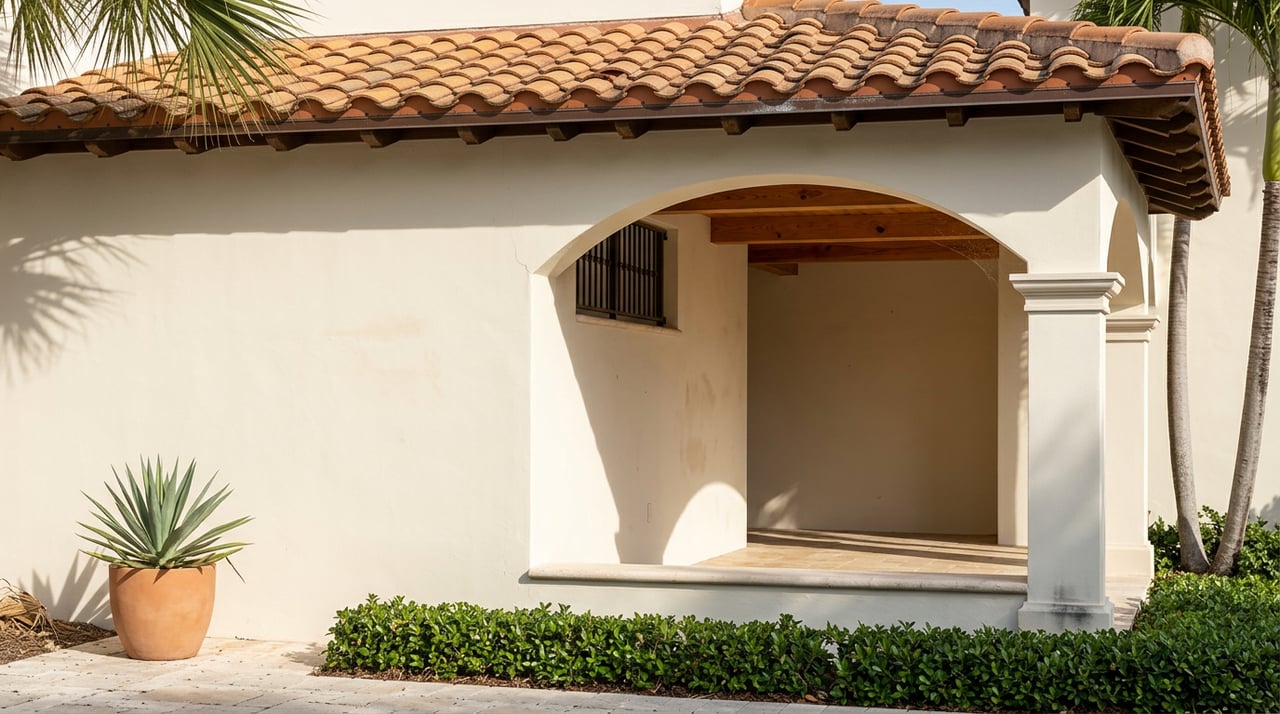
“Coach home” (sometimes called a carriage home) describes a building style, not a single legal form. In Naples, a coach home is commonly a two-level residence with a garage at ground level and living space above, often in a low-rise or villa-style setting.
Legally, coach homes can be set up in two ways:
- As a condominium under Chapter 718, where the association handles exterior and building insurance.
- As a lot or villa within a homeowners’ association under Chapter 720, where owners may be responsible for the structure, roof, and exterior, and the HOA focuses on common areas and amenities.
That legal structure drives your insurance, maintenance, and fees. Always ask for the recorded declaration and governing documents to confirm whether a specific coach home is a condo or an HOA/villa.
Key differences that matter
Fees and what they include
- Condos: Monthly assessments are often higher because they include exterior maintenance, roofs, building insurance, elevators where applicable, and sometimes bulk services and rich amenities. In amenity-heavy gated communities, expect higher community fees.
- Coach homes: Fees vary. If the coach home is part of a condo regime, costs may look like other condos. If it is in a Chapter 720 HOA, dues may be lower but you could be responsible for roof and exterior items directly or through different cost sharing.
What to review before you buy:
- Current budget, reserve study, and financial statements
- Reserve funding level and any history of special assessments
- Which services are included in dues, such as cable, Internet, or pest control
Insurance responsibilities
- Condos (Chapter 718): The association’s master policy typically covers structural elements and common areas. You purchase an HO-6 to cover the interior and personal property.
- Coach homes (Chapter 720 or lot-based): You may need a homeowner’s policy that covers the structure, roof, and exterior. If the coach home is legally a condo, the condo master policy applies and you carry an HO-6.
Action items for you:
- Request the association’s certificate of insurance and confirm what the master policy covers.
- Check the declarations to see who insures walls, roof, and exterior.
Parking and garage access
- Condos: High-rise buildings usually offer deeded garage spaces or assigned surface parking. Guest parking rules are common.
- Coach homes: Many include a deeded one- or two-car garage under or attached to the unit. That private garage is a major advantage for vehicles, bikes, and beach gear.
Always verify whether the garage is deeded to the unit and review guest parking policies.
Storage options
- Condos: Storage may be limited to interior closets and possibly a small assigned locker in the building.
- Coach homes: The garage provides practical storage. Some have attic or small exterior storage areas depending on construction and community rules.
Confirm what storage is included and whether any locker or storage area is deeded or assigned.
Rental rules and flexibility
Each association sets rental policies in its governing documents. In Naples:
- Many condo associations limit short-term rentals with minimum lease terms such as 30, 90, or 6 months.
- Some communities allow short-term or seasonal rentals and cater to vacationers.
- HOA and villa communities also set rental rules, so do not assume more flexibility.
If you plan to rent, review the association’s rules, check any county requirements for short-term rentals, and consider that lender approval can depend on rental caps and owner-occupancy ratios.
Flood risk and location exposure
Naples is coastal, and many properties are in FEMA-designated flood zones. Flood insurance is often required by lenders and is typically a separate policy through the NFIP or private carriers.
- Low-rise buildings and coach homes near waterways or at lower elevations can carry higher flood risk.
- Ground-level garages in coach homes can be more vulnerable to water damage to vehicles and stored items.
Your to-do list:
- Check the property’s flood zone and ask for an elevation certificate if available.
- Obtain a flood insurance estimate and factor it into annual costs.
Maintenance and special assessments
- Condos: The association manages exterior upkeep and major systems. Budget health and reserves matter, along with any planned roof, elevator, or structural projects.
- Coach homes: If the property is not a condo, you may handle roof or exterior items directly, or costs may be allocated differently through the HOA.
Review association minutes for the past year for signs of large projects, litigation, or pending assessments.
Market and resale in Naples
Price patterns
In general, condos have a lower entry price than single-family homes. Coach homes often sit between traditional condos and detached homes, but location and amenities drive values. For example, beachfront high-rise condos can command premium pricing by the square foot, while high-end coach homes in exclusive gated communities can outprice many low-rise condos. Lifestyle and proximity to the Gulf, golf, and waterfront access are major drivers in Naples.
Resale factors
Resale strength improves when a community has healthy reserves, clear and market-friendly rental policies, and no active litigation. Lending can be more complex for some condo projects, especially if rental concentrations are high. Seasonal demand in winter often supports activity, but your results will depend on the specific community and product type. Pull recent comparable sales within the same community and product category for the cleanest pricing picture.
How to choose: quick decision rules
Use these simple triggers to narrow your search before touring:
- Need a private garage and extra storage: Favor coach homes, and verify the garage is deeded to your unit.
- Want minimal exterior responsibility: Lean condo, and confirm what the master policy and association maintain.
- Plan to rent seasonally or short term: Check association rental rules and county requirements; look for communities that align with your timeline.
- Concerned about flood risk to vehicles: Evaluate coach homes with ground-level garages closely; review flood zones and elevation certificates.
- Prefer lower monthly dues with trade-offs: Consider coach homes inside Chapter 720 HOAs, but confirm your exterior responsibilities.
- Want lender-friendly resale: Choose communities with strong reserves, clear rules, and no litigation.
Your 10-point pre-tour checklist
Before you schedule showings, gather these documents or answers:
- Confirm whether the unit is a condominium under Chapter 718 or a lot/villa under Chapter 720.
- Review the current association budget, reserve study, and financials.
- Read board meeting minutes for the past 12 months.
- Get declarations and rules, including rental policies and minimum lease terms.
- Request the association’s certificate of insurance and a summary of coverage.
- Verify whether the garage and any parking spaces are deeded to the unit.
- Check FEMA flood zone and obtain an elevation certificate if applicable; get a flood insurance estimate.
- Ask about any ongoing litigation involving the association.
- Pull recent comps for the same product type within the same community.
- Confirm any short-term rental registration or licensing requirements you must meet.
Real-world examples to compare
High-rise Gulf-front condo
What you might see: an elevator building with amenities like pool, fitness, and security, plus deeded garage or assigned parking. Dues are often higher, with exterior maintenance and building insurance covered by the association.
What to verify: reserves, any recent or pending assessments, rental minimums, insurance boundaries, parking details, and flood risk mitigation features.
Low-rise coach home in a gated villa community
What you might see: a two-level home with a ground-level garage and living area above, often in a golf or inland setting with lower density.
What to verify: whether it is legally a condo or an HOA/villa, who maintains roof and exterior, whether the garage is deeded, guest parking rules, budget health, and rental limits.
Coach home within a condo association
What you might see: carriage-style buildings recorded as a condominium, where the association insures the exterior and you carry an HO-6 for interior coverage.
What to verify: all standard condo checks, plus any maintenance responsibilities that the declaration assigns to the unit owner.
Next steps
Your best choice comes down to how you want to live, what you want to maintain, and how you plan to use the property. If you want a private garage and extra storage, a coach home can be a great fit. If you want maximum simplicity on exterior upkeep, a condo often wins. Either way, your governing documents will tell the real story on costs, insurance, and rental flexibility.
If you want a clear, side-by-side comparison for specific Naples communities and current listings, reach out. With 100+ closed transactions and over $100M in sales across Southwest Florida, we can help you sort your options and move forward with confidence. Connect with Chadwick Knight to request your free home valuation or market consultation.
FAQs
What is a coach home in Naples and how is it different from a condo?
- A coach home is a building style, often with a garage under the living area, while a condo is a legal form of ownership; some coach homes are condos, others are villas within HOAs, which changes insurance and maintenance.
Are coach homes always cheaper than condos in Collier County?
- Not always; pricing depends on location, amenities, and community; beachfront condos can outprice inland coach homes, while high-end coach homes in gated communities can outprice many low-rise condos.
How do HOA fees compare between Naples condos and coach homes?
- Condo dues are often higher because they cover exterior maintenance and building insurance; coach home dues vary and may be lower in HOAs where owners handle roof or exterior items directly.
Do I need flood insurance for a Naples coach home or condo?
- Many properties are in FEMA flood zones; lenders often require flood insurance, and ground-level garages in coach homes can be more exposed, so verify the flood zone and get an elevation certificate.
Can I rent out a Naples condo or coach home for short stays?
- It depends on the association’s rules; some communities allow short-term rentals with minimum lease terms while others restrict them, and county registration requirements may apply.