Torn between Port Charlotte and Punta Gorda for your Southwest Florida home base? You are not alone. Each offers sunshine, boating, and a laid-back Gulf Coast lifestyle, but the day-to-day feel and costs can differ. In this guide, you will compare prices, waterfront choices, commute patterns, and everyday conveniences so you can pick the right fit with confidence. Let’s dive in.
Big-picture location and feel
Punta Gorda is a compact, incorporated city at the mouth of the Peace River with a walkable historic core and harborfront amenities. You will find a small-city vibe with parks, marinas, and a defined downtown grid that many residents enjoy for dining and strolls. Learn more about the city’s setting and history on the Punta Gorda page at Wikipedia.
Port Charlotte sits just northwest across the Peace River in unincorporated Charlotte County. It is larger, more suburban, and mostly car-dependent, with extensive subdivisions and established canal neighborhoods. For a quick data snapshot of the community, visit the Census QuickFacts page for Port Charlotte.
Services, utilities, and taxes
Because Punta Gorda is an incorporated city, properties inside city limits typically receive city utilities and sanitation and pay any city millage in addition to county and school taxes. Port Charlotte properties are served by Charlotte County departments. Bills, service models, and rules can differ, and some canal neighborhoods within Punta Gorda may have specific maintenance fees. Always confirm whether an address is inside city limits and review utility providers and any special assessments during due diligence.
Housing snapshot and price ranges
You will generally find Port Charlotte to be the more affordable option, while Punta Gorda commands a premium for proximity to the harbor, downtown lifestyle, and high-demand canal communities.
- Port Charlotte: Many recent market snapshots place median prices broadly in the mid 200s to low 300s, depending on timeframe and data source. Product skews to single-family homes across varied subdivisions, plus a notable share of manufactured homes that can lower entry costs.
- Punta Gorda: Citywide medians typically trend from the low-to-mid 300s up to 400k, with canal and harbor-proximate neighborhoods driving higher values. Historic cottages, condos, and premium canal-front homes shape a more mixed, often higher-priced market.
Data providers calculate medians differently by timeframe and included property types. The best move is to focus on recent MLS sold comps for your exact neighborhood and home type.
Where value shows up
- Port Charlotte: Inland blocks and non-canal sections often provide the lowest price points. Canal lots exist and can cost less per waterfront foot compared with similar Punta Gorda canal options.
- Punta Gorda: Inland neighborhoods and non-waterfront condos can be the budget-friendly path inside city limits, while direct canal and sailboat-access parcels sit at the top of the local market.
Waterfront vs inland living
You can find canal-front living in both places, but the experience and costs can vary.
Types of waterfront
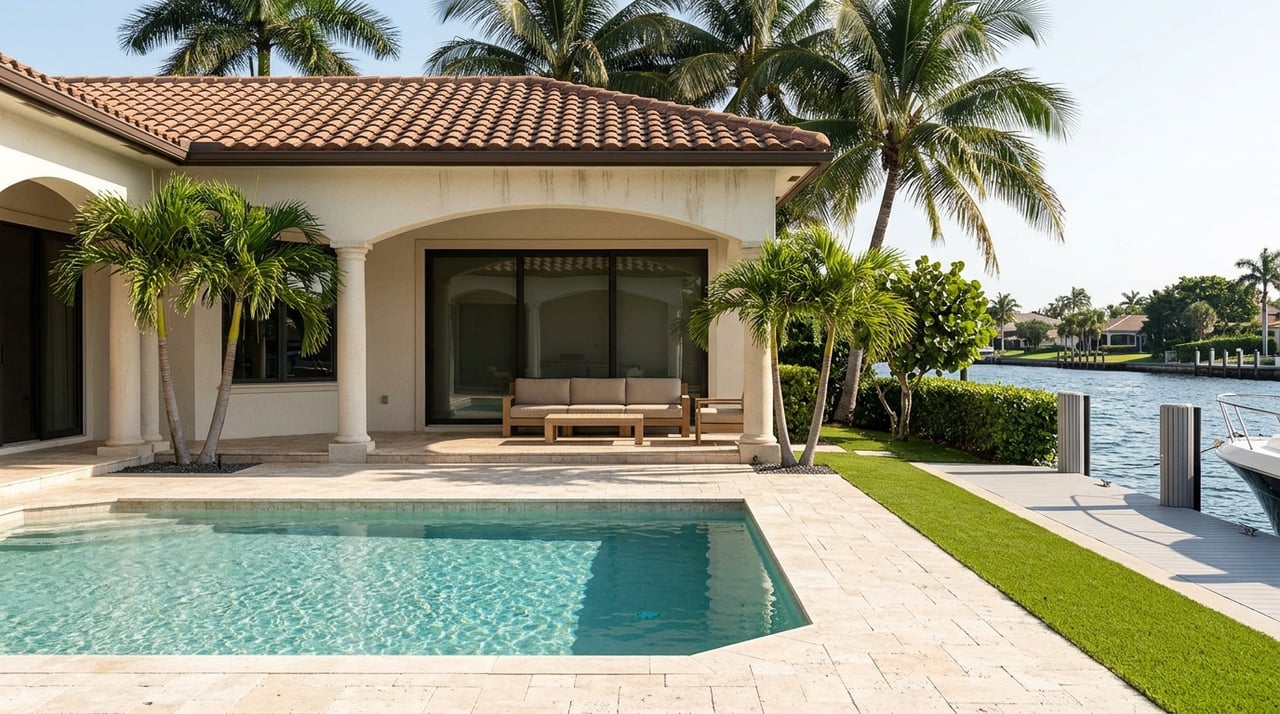
- Canal-front to Charlotte Harbor: Both areas offer canal homes, but Punta Gorda’s canal neighborhoods, including Punta Gorda Isles and Burnt Store areas, are known for extensive networks and premium, often deep-water access. Expect higher pricing for direct, unobstructed routes and larger docks.
- Harborfront and downtown waterfront: Punta Gorda’s harbor edge pairs scenic parks with a pedestrian-friendly setting, including Harborwalk and Fishermen’s Village. Get a feel for the harborfront experience through this overview of Punta Gorda’s waterfront appeal.
- Inland homes: Both markets offer abundant non-waterfront choices. Port Charlotte’s larger inland inventory keeps overall entry prices lower for many buyers.
Practical tradeoffs for boaters
- Access and bridges: Boat owners should verify canal depth, fixed-bridge clearances, and typical minutes-to-harbor. These details affect daily boating and resale value.
- Seawalls and dredging: Seawall condition, any dredging schedules, and who pays for canal maintenance can materially change your ownership costs. Build seawall inspections into your offer timeline.
- Flood risk and insurance: Many waterfront and lower-elevation parcels fall within FEMA special flood hazard areas and will require flood insurance if you finance. You can check a property’s flood zone on the FEMA Map Service Center.
Commutes and connectivity
- Port Charlotte to downtown Punta Gorda: The drive is short, often under 20 minutes depending on origin and traffic. Many residents treat both areas as one local community for errands and dining. See a sample route and distance on Distance Cities.
- Port Charlotte to Fort Myers: Plan roughly 35 to 50 minutes by car, depending on time of day and route. Check a typical drive time on Travelmath.
- Airports: Punta Gorda Airport (PGD) is closest, with Southwest Florida International (RSW) and Sarasota-Bradenton (SRQ) within a broader 45 to 90 minute range. For a sense of proximity, see the drive distance from PGD to Port Charlotte.
- Roads and bridges: US-41 connects both places across the Peace River. I-75 sits to the east and serves as the primary regional freeway.
Everyday conveniences and lifestyle anchors
Medical care
Port Charlotte has a full-service acute-care hospital that recently rebranded under AdventHealth Port Charlotte following a 2025 acquisition. This is a key convenience for many buyers, especially retirees and families. Read the announcement on PR Newswire. The previous Punta Gorda hospital site sustained storm damage, and its future inpatient role is being evaluated in the transition.
Walkable downtown, shopping, and dining
If you prefer a pedestrian lifestyle, Punta Gorda’s compact downtown and harborfront parks create a small-city feel with marinas, shops, and events. Explore amenities like Harborwalk and Gilchrist Park via the City of Punta Gorda facilities directory. If you value convenience and everyday retail options, Port Charlotte’s US-41 and Cochran Boulevard corridors offer larger shopping centers and big-box retail with easy parking.
Recreation highlights
- Punta Gorda: Harborwalk, Gilchrist Park, and canal boating are central. Fishermen’s Village brings together dining, marina services, and shopping along the harborfront.
- Port Charlotte: Charlotte Sports Park is a community hub and spring training complex for the Tampa Bay Rays. Get ballpark details on MLB.com. Public ramps offer boat access, and you have straightforward drives to nearby Gulf beaches like Englewood and Boca Grande.
Taxes, utilities, and HOA considerations
Inside Punta Gorda city limits, you can expect city utilities and sanitation. You will also see any city millage in addition to county and school taxes. In Port Charlotte, county departments provide most services, and some addresses may fall within special taxing or service units. In deed-restricted or canal-maintained neighborhoods, review HOA documents for rules and any maintenance fees tied to waterways or common areas. These items vary by community and can change your monthly cost more than you expect.
Decision guide: Which fits you best?
Choose Port Charlotte if you want:
- The widest range of entry-level single-family options and more manufactured-home choices.
- Lower median prices and potential value on canal lots compared with similar Punta Gorda locations.
- Larger lot options and a car-friendly, suburban layout.
- A practical base for commuting south toward Fort Myers.
Choose Punta Gorda if you prefer:
- A walkable harborfront lifestyle with parks, marinas, and a historic downtown core.
- Premium canal and sailboat-access options, plus a compact city feel.
- Higher per-square-foot values tied to proximity to the harbor and downtown amenities.
- A blended mix of historic cottages, condos, and upscale canal-front homes.
Due diligence checklist for smart buyers
Use this quick list to compare any two properties on equal footing.
- Verify neighborhood comps: Ask for recent MLS sold comps for the immediate area and home type. Citywide medians are broad and can hide street-level differences.
- Confirm flood zone and elevation: Look up the parcel on the FEMA Map Service Center and request any existing elevation certificate. If in an A or VE zone and using a mortgage, flood insurance will likely be required.
- Inspect seawalls and docks: For canal homes, order a seawall and dock assessment, ask about dredging history, and confirm who pays for future work. Check bridge clearances and canal depths for your boat.
- Get insurance quotes early: Florida premiums can be volatile. Ask about wind-mitigation discounts, roof age, impact windows, and current underwriting rules. For statewide context, review this overview of Florida homeowners insurance trends.
- Pin down utilities and fees: Confirm whether the address is inside city limits or unincorporated county, identify providers, and request the current owner’s typical bills. Review any HOA, CDD, or canal maintenance fees.
- Check market tempo: Compare days on market and inventory for the specific micro-market, such as a canal neighborhood versus inland blocks. This shapes negotiation strategy.
Your next step
The right choice comes down to lifestyle, water access, and total cost of ownership. If you want walkable harborfront living with premium canal options, Punta Gorda usually delivers. If you want more house for the money, abundant inland options, and solid canal values, Port Charlotte is tough to beat. A quick strategy session can align your budget, boating needs, and commute with the best-fit neighborhoods on your shortlist.
Ready to compare live listings, recent sold comps, and canal specifics side by side? Connect with Chadwick Knight for a focused consultation and a local game plan that fits your goals.
FAQs
What is the main lifestyle difference between Punta Gorda and Port Charlotte?
- Punta Gorda offers a compact, walkable harborfront and historic downtown, while Port Charlotte is more suburban and car-oriented with larger shopping corridors.
Are canal homes in Port Charlotte a good value vs. Punta Gorda?
- In many cases, Port Charlotte canal lots can be more cost-effective per waterfront foot, while Punta Gorda canal neighborhoods often command premiums for depth, access, and proximity to the harbor.
How long is the drive between Port Charlotte and downtown Punta Gorda?
- The drive commonly takes under 20 minutes depending on origin and traffic, and many residents use amenities in both places for everyday errands.
Do I need flood insurance for a waterfront home in these areas?
- If a property is in a FEMA special flood hazard area and you finance the purchase, lenders typically require flood insurance; check your parcel on FEMA’s map for exact zoning.
Which airports serve Port Charlotte and Punta Gorda best?
- Punta Gorda Airport (PGD) is closest, while Southwest Florida International (RSW) and Sarasota-Bradenton (SRQ) provide more routes within about 45 to 90 minutes by car.
How do city vs. county utilities affect ownership costs?
- Homes inside Punta Gorda city limits may have different utility and sanitation billing and any city millage added to county taxes, while Port Charlotte uses county services and districts that can include special assessments.